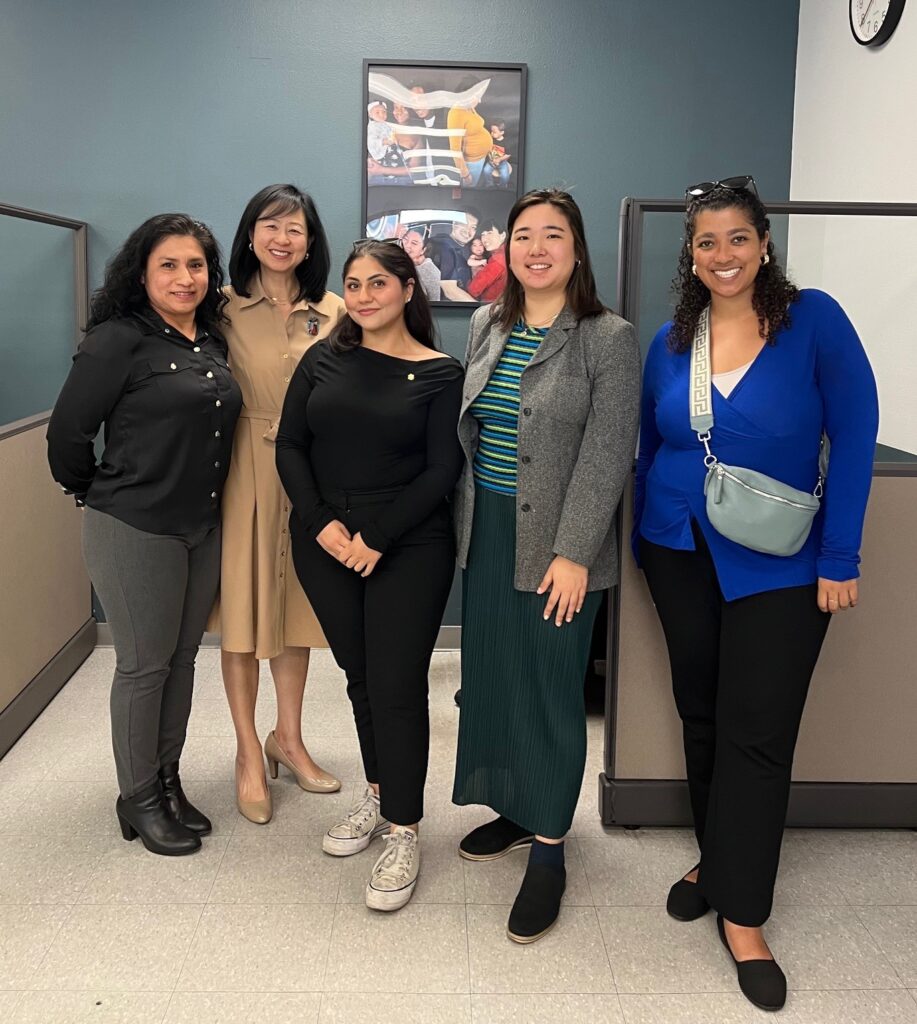
On February 27, PHFE WIC staff met with congressional representatives to discuss the National WIC Association’s policy agenda, which focuses on modernizing and fully funding WIC. Telehealth appointments have improved access, efficiency, and the overall program experience, and with nearly 30 years of bipartisan support for full WIC funding, we urge Congress to continue this commitment to ensure that no eligible family is turned away.
The success of the WIC program is evident:
Every dollar invested in WIC saves about $2.48 in healthcare costs.
92% of mothers with children 3.5 years old valued nutrition education as much as WIC food benefits.
For every dollar spent on prenatal WIC services, Medicaid saves $1.24 to $6.83
Children who grew up with WIC generally have better diets that meet nutritional needs.
WIC’s Cash Value Benefit (CVB) increases fruit and vegetable consumption.
WIC participation is linked to better child health and development outcomes.
Support the MODERN WIC Act
The MODERN WIC Act, a bipartisan bill that aims to establish permanent virtual service options in the WIC program, was reintroduced. This would allow WIC participants to complete their appointments by phone or video, offering flexibility and helping reduce barriers like transportation and work schedules. Currently, virtual certification is allowed temporarily through waivers set to expire in September 2026. The MODERN WIC Act would implement necessary reforms that would provide modern program accessibility consistent with other healthcare settings.
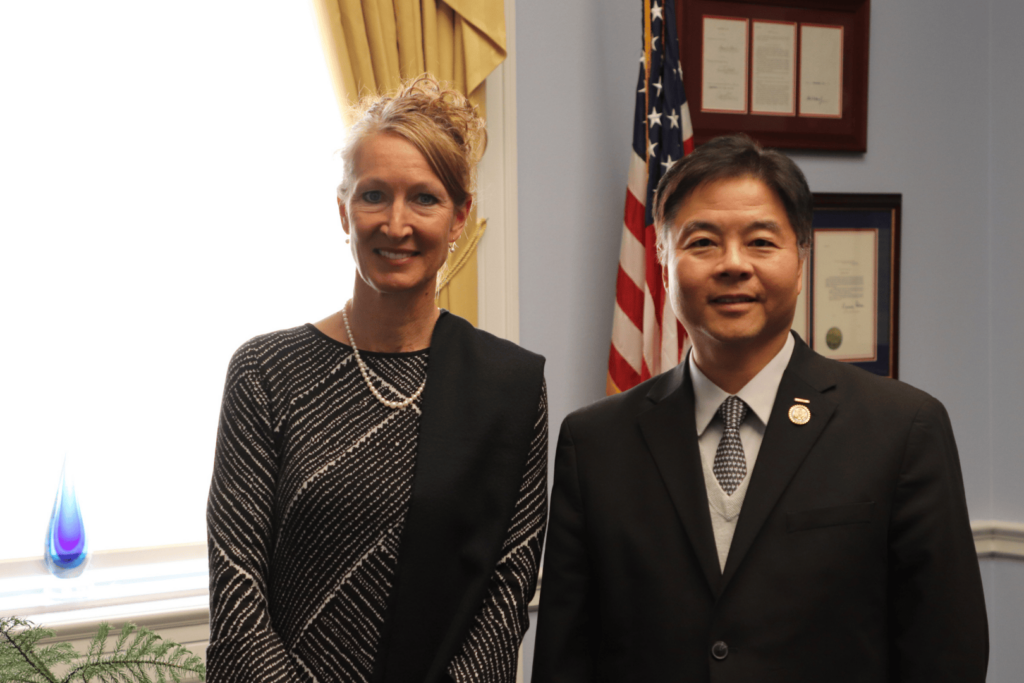
Dr. Shannon Whaley joins Congressman Ted Lieu in Washington DC
On Tuesday, March 4, Congressman Ted Lieu invited PHFE WIC’s Dr. Shannon Whaley, Director of Research and Evaluation, to be his special guest for the President’s joint address to Congress. During a roundtable discussion, she addressed the consequences of pausing federal financial assistance programs. Following this discussion, Congressman Lieu invited Dr. Whaley to attend the Presidential Address to Congress as his guest. Dr. Whaley continues to be a strong advocate for the WIC program, ensuring that it remains a vital resource for families and communities.