Breastfeeding Support, Resources & Information
Whether you are breastfeeding, pumping, or combination feeding, WIC is here for parents through every step of their infant feeding journey. Learn about breastfeeding basics, overcoming challenges, returning to work, nursing in public, using breast pumps, storing breast milk, and more.
WIC is committed to be part of your support system with services available in-person, by video, or by phone.
- Why Breastfeed?
- How to Breastfeed
- Breastfeeding Peer Counselor Program
- Group Classes for Pregnant Parents
- Breastfeeding Support Groups
- CinnaMoms Support Circles
- The Hospital Experience
- Is My Baby Getting Enough?
- Infant Feeding Helpline
- Free Lactation Consultations
- How Do I Keep Up a Good Milk Supply?
- Sore Nipples and Breastfeeding
- Breastfeeding & Returning to Work or School
- Breast Pumps Through WIC
- Breastmilk Storage
- How to Clean Your Breast Pump
- Human Milk Banks
- La Leche League
Why Breastfeed?

Breast milk is the best food for babies. It has a perfect mix of protein, fat, water, vitamins, and is easy to digest. Antibodies, or special proteins, in breast milk boost your baby’s immune system, helping them fight off infections. Breastfeeding lowers your baby’s risk of asthma, allergies, and obesity while moms save money, lose their pregnancy weight faster, and have a reduced risk of breast cancer.
How to
Breastfeed
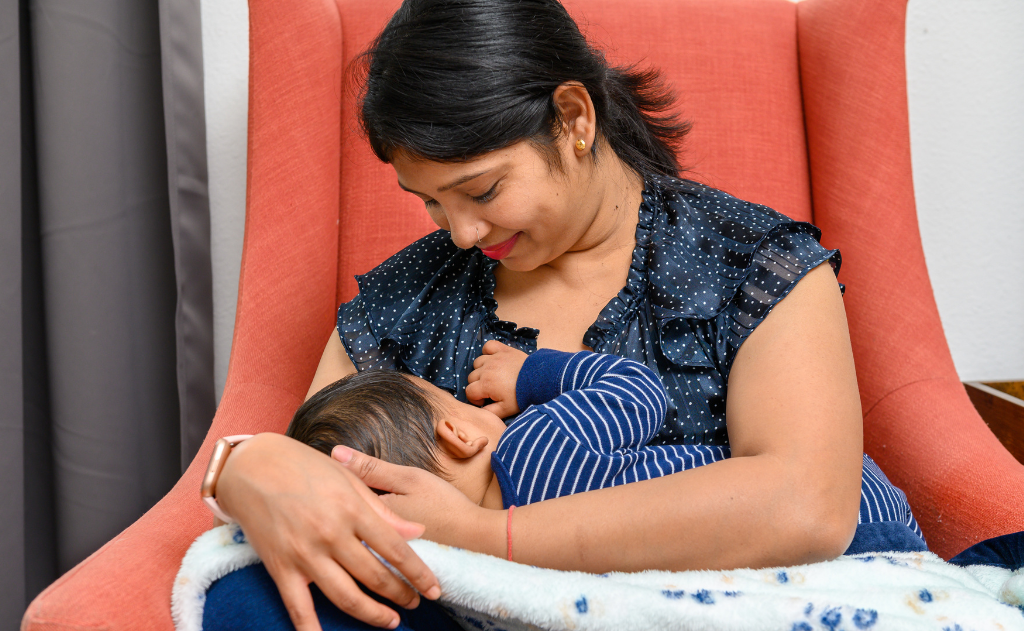
How often do babies need to eat? What is the best breastfeeding position for you and your baby? How do you know that your baby is eating enough? How long should you breastfeed?
Browse these videos to learn about breastfeeding in the comfort of your home:
The WIC breastfeeding guide is full of breastfeeding tips to get you off to a great start nursing your baby.
Breastfeeding Peer Counselor Program

If you are currently pregnant and would like extra support with breastfeeding, a woman who has successfully breastfed her baby may be able to partner with you. Ask to join the Breastfeeding Peer Counselor program at your WIC center. Your specially trained Breastfeeding Peer Counselor will be part of your support system until your baby is six months old.
Group Classes for Pregnant Parents

Pregnant parents are invited to join a group class on Zoom at any time during their pregnancy. Class topics include the differences between breast milk and formula and tips for feeding your newborn.
Breastfeeding Support Groups

Join a monthly breastfeeding support group on Zoom to connect and learn with other parents throughout your breastfeeding journey! Support groups are available in 6 different languages.
CinnaMoms Support Circles
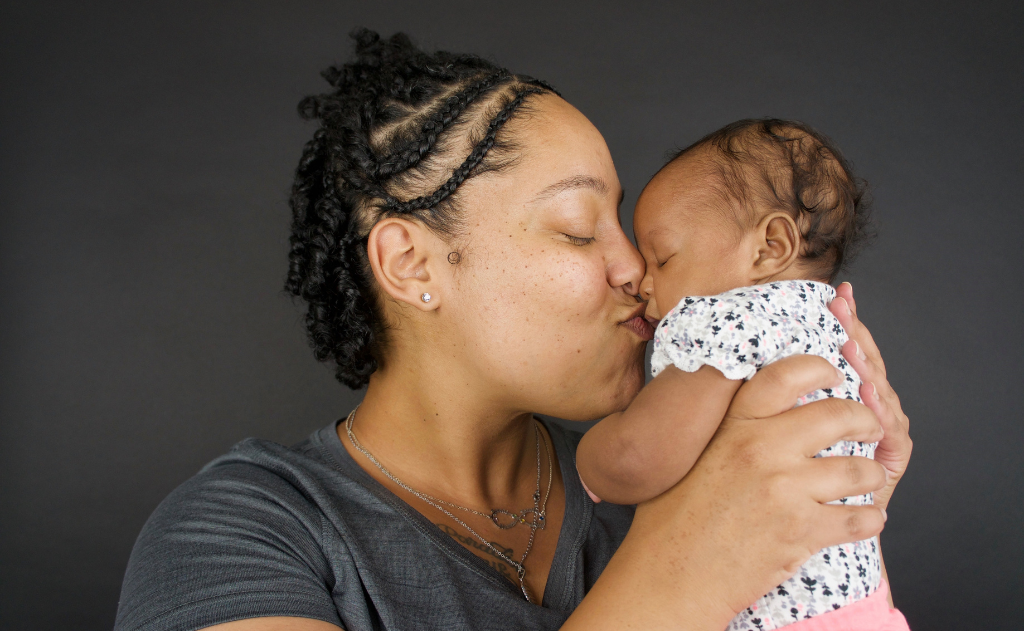
CinnaMoms creates a cultural space that promotes empowerment and self – transformation for Black/African American families through the PHFE WIC program. Support circles are available in person or virtually.
The Hospital Experience

What should you do in the hospital to get off to a good start with breastfeeding?
Is My Baby Getting Enough?
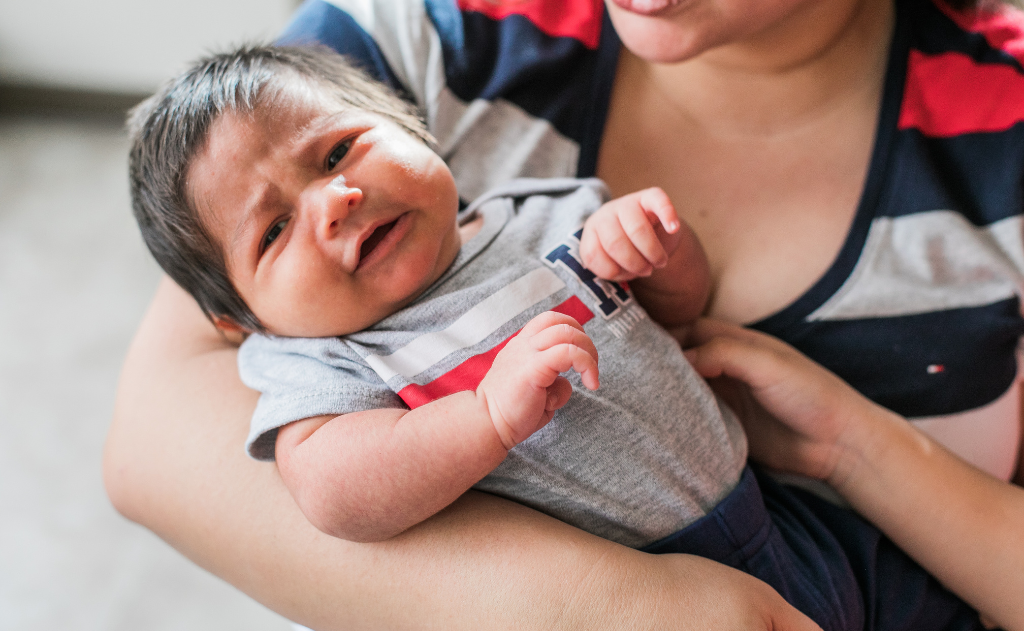
New parents often worry about how much and how often their baby breastfeeds. Since breast milk can’t be measured directly, it can be hard to know. However, there are signs that show your baby is getting enough. Here are some guidelines to help you know if your baby is getting enough.
Infant Feeding Helpline
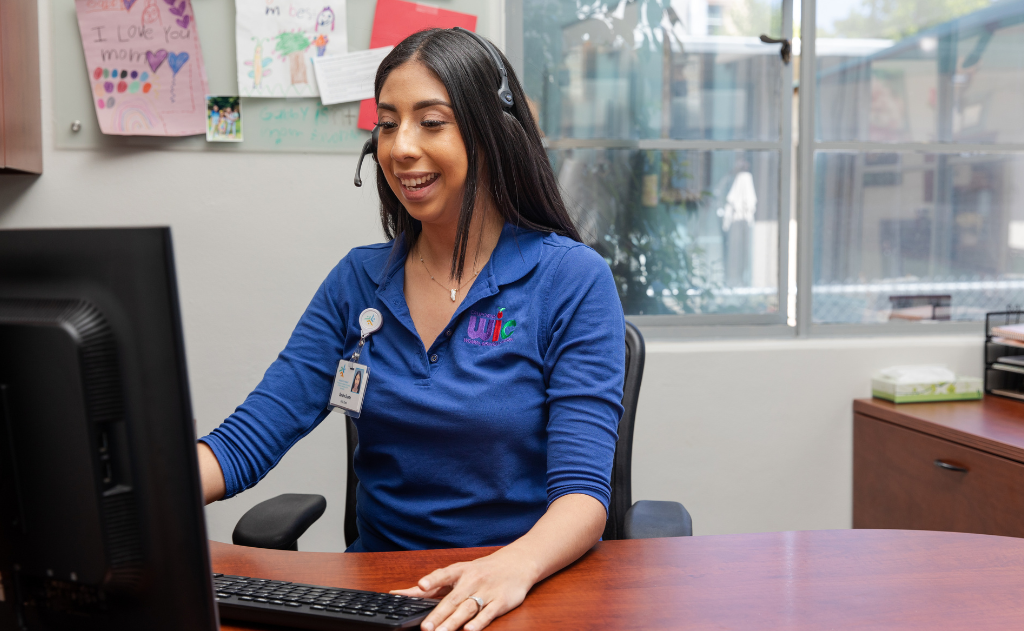
Certified Lactation Educators and Lactation Consultants (breastfeeding specialists) answer your infant feeding questions Monday – Friday from 9:00 am – 5:30 PM at (888) 278-6455.
Free Lactation Consultations
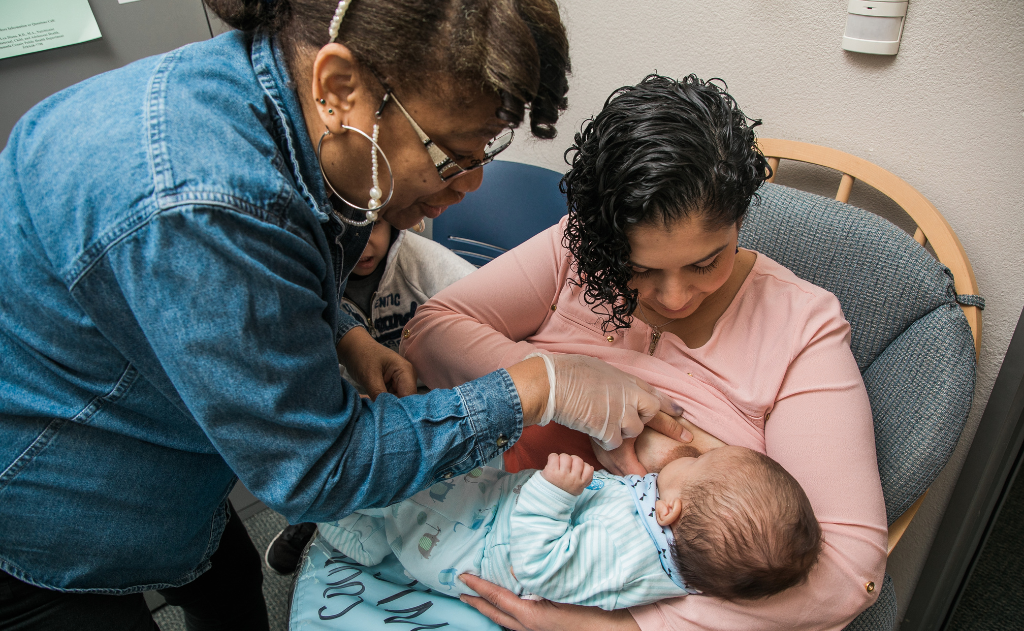
Many WIC Centers offer a free weekly breastfeeding help clinic for WIC participants. At these clinics, Lactation Consultants (or breastfeeding specialists) make sure your baby is latching on well and gaining weight. Call (888) 278-6455 to schedule an appointment at a WIC breastfeeding clinic.
How Do I Keep Up a Good
Milk Supply?

Breastfeeding your baby is the best way to increase your milk supply. Breastfeed often when you and your baby are together.
Sore Nipples and
Breastfeeding
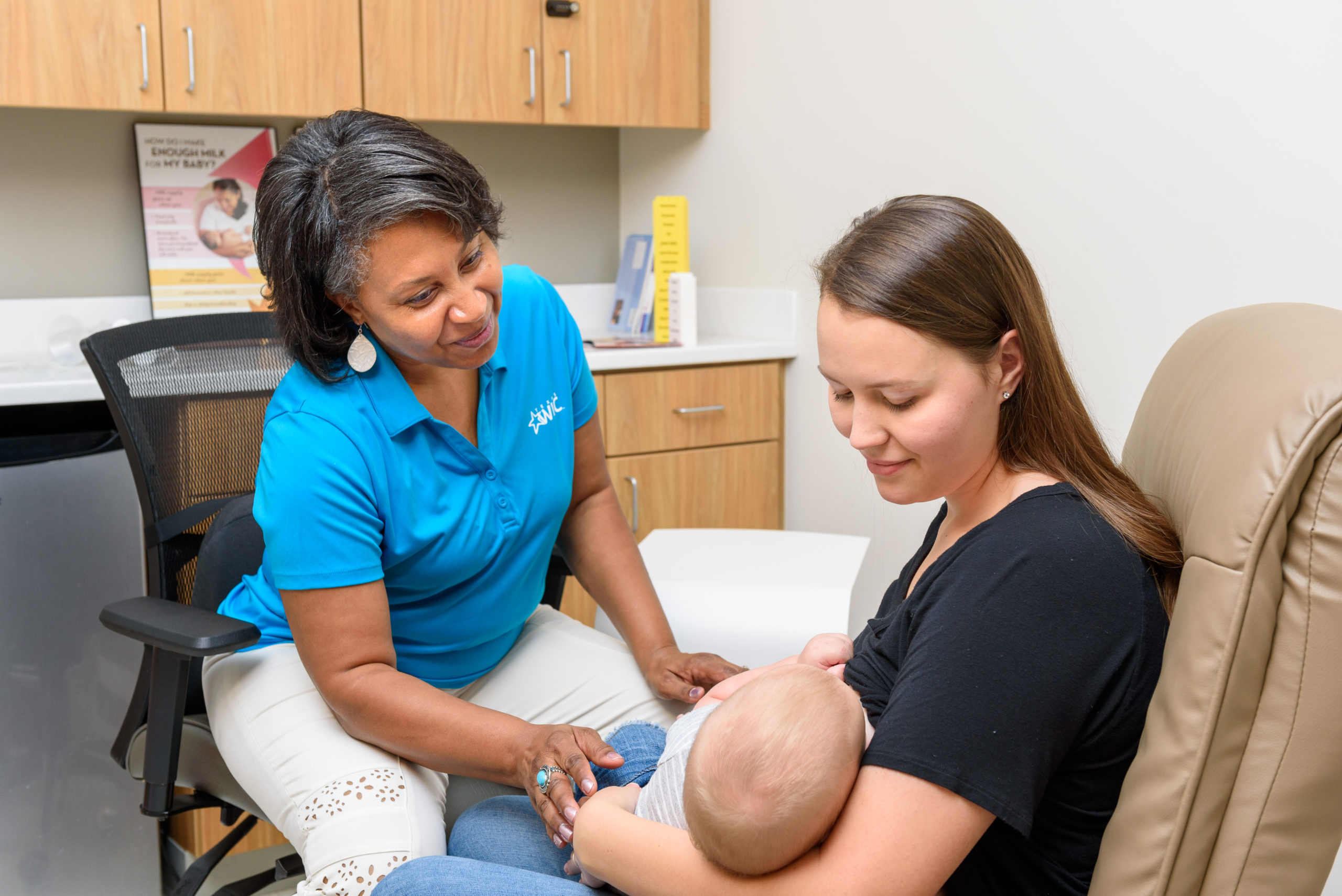
Tender and sensitive nipples are normal when you start breastfeeding. However, very sore, cracked, or bleeding nipples are not. This usually happens when the baby isn’t latching properly. Make sure your baby gets a big “mouthful” of both the nipple and the areola.
Breastfeeding & Returning to Work or School
Many nursing mothers balance a work or school schedule while breastfeeding. You can too! Learn about pumping, storing your milk, setting up a support system, and laws that protect your right to pump at work or school.
Breast Pumps Through WIC
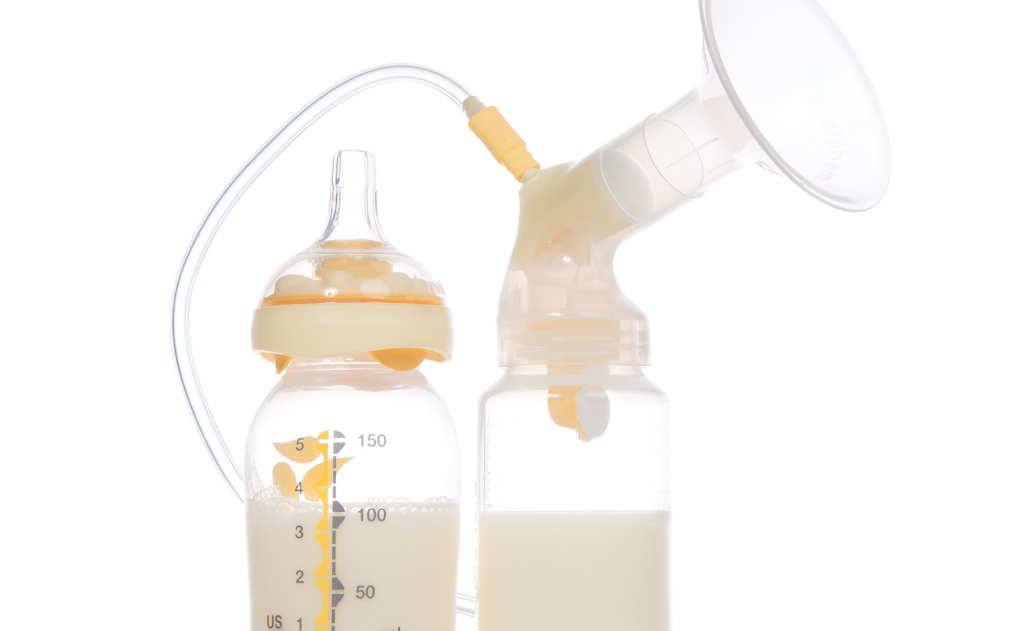
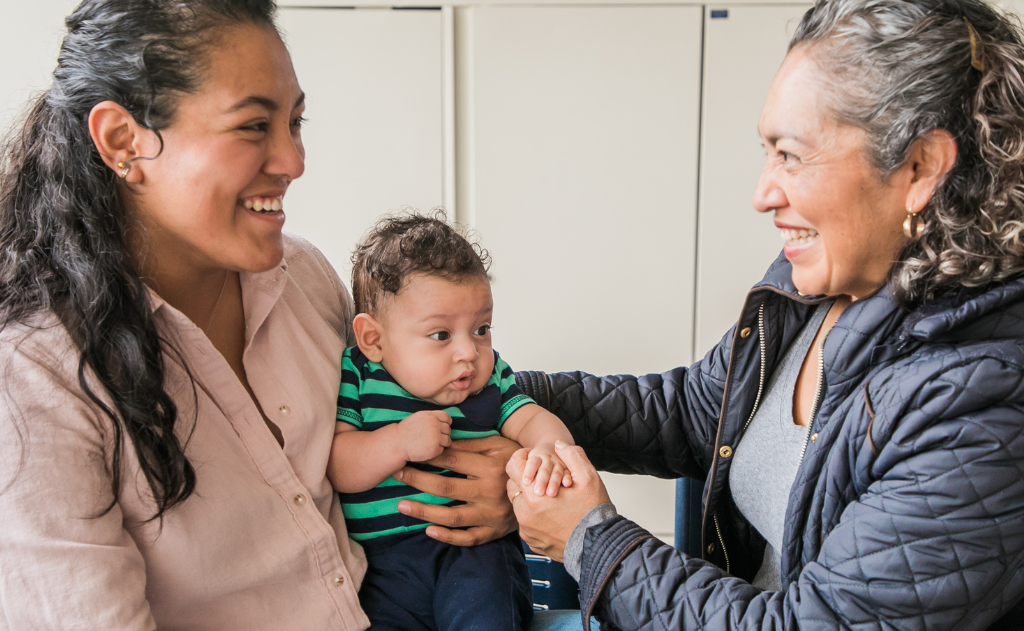
Are you going back to work, or do you need to pump your breast milk while you are away from your baby? WIC can provide you with a free manual and electric breast pumps to help you reach your breastfeeding goals. Nursing mothers should talk to their WIC center staff or call (888) 278-6455 to learn more.
Breastmilk
Storage
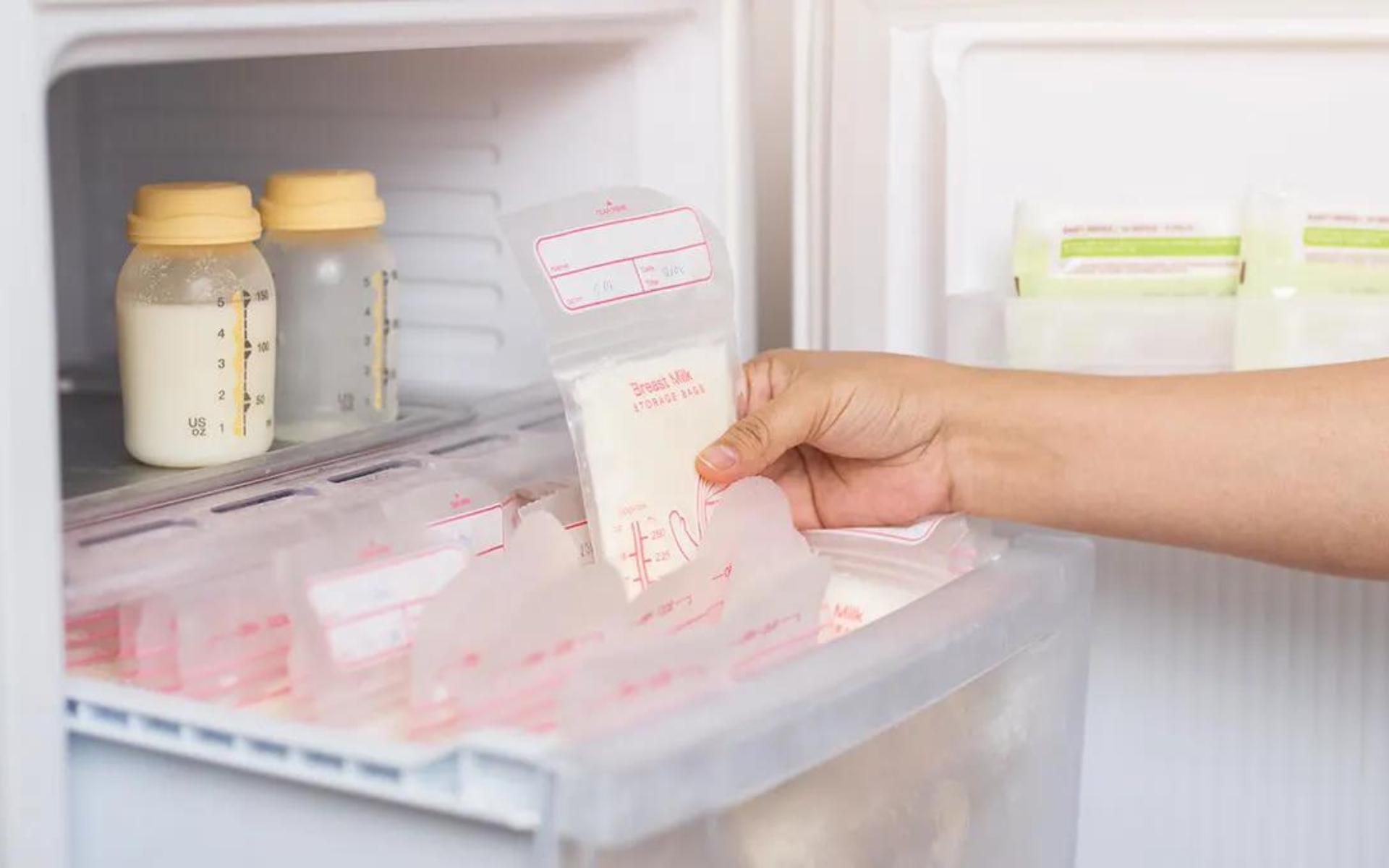
Learn more about breast milk storage and preparation.
How to Clean Your Breast Pump

Providing breast milk is one of the best things you can do for your baby’s health and development. Pumping your milk is one way to provide breast milk to your baby. However, germs can grow quickly in breast milk or breast milk residue that remains on pump parts.
Human Milk Banks
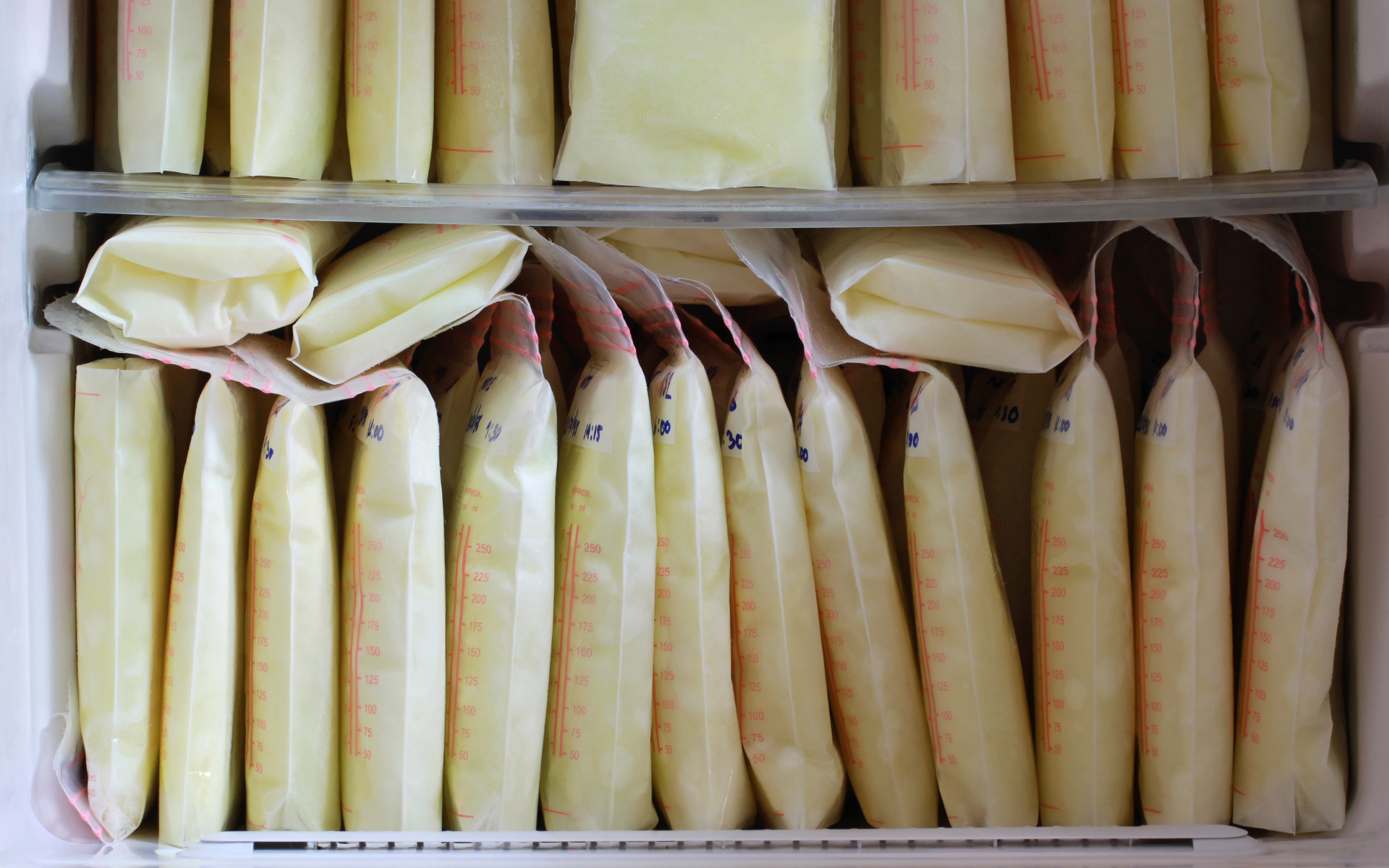
Human milk banks collect and process donated breast milk from parents who have more than what their baby needs. The milk is given to babies who cannot get enough milk from their parent primarily due to being premature or sick. Learn more about human milk banks and find one near you:
La Leche League
La Leche League is a national organization that hosts events and meetings to connect breastfeeding mothers.